
📅 2026-07-16

☀️ Morning News & Current Events

B2–C1
Debt Payments Put Education Budgets Under Pressure

Debt Payments Put Education Budgets Under Pressure

Many developing countries are spending more on foreign debt repayments than on schools, raising concerns that a generation of children could lose access to better education. International development experts say higher interest rates, weak currencies, and slow economic growth have made debt harder to manage. The result is growing pressure on public budgets already stretched by health, climate, and security needs.

🇰🇷 많은 개발도상국이 학교 교육보다 외채 상환에 더 많은 돈을 쓰고 있어, 한 세대의 아이들이 더 나은 교육 기회를 잃을 수 있다는 우려가 커지고 있다. 국제 개발 전문가들은 높은 금리, 약한 통화, 느린 경제 성장이 부채 관리를 더 어렵게 만들었다고 말한다. 그 결과 보건, 기후, 안보 수요로 이미 빠듯한 공공 예산에 압박이 커지고 있다.

Education advocates warn that the problem is not simply financial but social. When governments reduce spending on teachers, classrooms, and learning materials, poorer families are often hit first. Girls, rural students, and children with disabilities may face the greatest barriers. Analysts say these losses can reduce future earnings and weaken national development for decades.

🇰🇷 교육 단체들은 이 문제가 단순히 재정 문제가 아니라 사회적 문제라고 경고한다. 정부가 교사, 교실, 학습 자료에 대한 지출을 줄이면 가난한 가정이 가장 먼저 타격을 받는 경우가 많다. 여학생, 농촌 지역 학생, 장애 아동은 가장 큰 장벽에 직면할 수 있다. 분석가들은 이러한 손실이 미래 소득을 줄이고 수십 년 동안 국가 발전을 약화시킬 수 있다고 말한다.

Some economists argue that creditors and international institutions should offer more flexible repayment terms, especially for countries investing in basic services. Others say governments must improve tax collection and reduce wasteful spending. The debate highlights a difficult policy choice: how to meet today’s debt obligations without sacrificing tomorrow’s human capital.

🇰🇷 일부 경제학자들은 특히 기본 서비스에 투자하는 국가들에 대해 채권국과 국제기구가 더 유연한 상환 조건을 제공해야 한다고 주장한다. 다른 이들은 정부가 세금 징수를 개선하고 낭비성 지출을 줄여야 한다고 말한다. 이 논쟁은 오늘의 부채 의무를 이행하면서도 내일의 인적 자본을 희생하지 않는 어려운 정책 선택을 보여준다.

Without action, campaigners say, education gaps could widen between wealthy and poorer nations. That would make global goals on poverty reduction, equality, and economic resilience harder to achieve.

🇰🇷 활동가들은 조치가 없다면 부유한 국가와 가난한 국가 사이의 교육 격차가 더 벌어질 수 있다고 말한다. 이는 빈곤 감소, 평등, 경제적 회복력에 관한 국제 목표 달성을 더 어렵게 만들 것이다.

클릭하면 전체 지문을 읽어드립니다

📝 Key Vocabulary

Word Pronunciation Part of Speech Korean English Definition
repayment /rɪˈpeɪmənt/ noun 상환 the act of paying back money that was borrowed
stretched /stretʃt/ adjective 빠듯한, 한계에 이른 having too many demands and not enough resources
advocate /ˈædvəkət/ noun 지지자, 옹호자 someone who publicly supports a policy or cause
creditor /ˈkredɪtər/ noun 채권자, 채권국 a person, bank, or country that is owed money
obligation /ˌɑːblɪˈɡeɪʃən/ noun 의무 something that a person or organization must do

💡 Expression Tip

"public budgets already stretched by" — 이미 여러 지출 부담으로 예산이 빠듯한 상태를 설명할 때 쓰는 표현입니다. 정부, 회사, 가정의 예산이 여러 요구 때문에 한계에 가까워졌다는 뉘앙스를 줍니다.

"Public budgets already stretched by healthcare costs are now facing climate-related expenses." "의료비로 이미 빠듯한 공공 예산이 이제 기후 관련 비용까지 마주하고 있다." "Household budgets already stretched by rent increases have little room for higher food prices." "임대료 인상으로 이미 빠듯한 가계 예산에는 식비 상승을 감당할 여유가 거의 없다."

🗣️ Speaking Questions

  1. Should international lenders reduce debt pressure on poorer countries if the money is used for education?
  2. Can you describe a situation where a budget was already stretched by several competing needs?

🃏 Vocabulary Flashcards

카드를 클릭하면 한국어 뜻이 나옵니다.

✏️ Definition Match

한국어 뜻에 맞는 영어 단어를 선택하세요.

🌤 Afternoon Business & Practical

B2
A Quick Check Before the Meeting

A Quick Check Before the Meeting

상황: A와 B는 같은 팀에서 일하는 동료입니다. 점심 직후 짧은 회의 전에 A가 보고서 마무리를 위해 B에게 도움을 부탁하고 있습니다.

A: Do you have a minute before the quick meeting?

🇰🇷 짧은 회의 전에 잠깐 시간 있어요?

B: Sure, I have about ten minutes. What’s up?

🇰🇷 네, 10분 정도 있어요. 무슨 일이에요?

A: I’m finishing the report, but the deadline looks tight.

🇰🇷 보고서를 마무리 중인데, 마감이 좀 빠듯해 보여요.

B: Got it. Which part do you need help with?

🇰🇷 알겠어요. 어느 부분을 도와드리면 될까요?

A: Could you check the numbers on the last page?

🇰🇷 마지막 페이지의 숫자들을 확인해 줄 수 있어요?

B: No problem. I’ll take a quick look now.

🇰🇷 문제없어요. 지금 빠르게 한번 볼게요.

A: Thanks. Also, is the feedback section clear enough?

🇰🇷 고마워요. 그리고 피드백 부분이 충분히 명확한가요?

B: Yes, but maybe make the first sentence shorter.

🇰🇷 네, 하지만 첫 문장은 좀 더 짧게 하면 좋겠어요.


클릭하면 전체 지문을 읽어드립니다

📝 Key Vocabulary

Word Pronunciation Part of Speech Korean English Definition
have a minute /hæv ə ˈmɪnɪt/ phrase 잠깐 시간 있다 to be available for a short time
deadline /ˈdedlaɪn/ noun 마감일 the latest time something must be finished
tight /taɪt/ adjective 빠듯한 having little time or space
take a quick look /teɪk ə kwɪk lʊk/ phrase 빠르게 보다 to check something briefly
clear /klɪr/ adjective 명확한 easy to understand

💡 Expression Tip

"What’s up?" — “무슨 일이야?” 또는 “어떤 일이 있어?”라는 뜻의 캐주얼한 표현입니다. 친한 동료나 친구가 말을 걸 때 자연스럽게 이유를 물어볼 때 사용합니다.

"Hey, what’s up? You look busy." "무슨 일이야? 바빠 보여." "You called me earlier. What’s up?" "아까 전화했더라. 무슨 일이야?"

🗣️ Speaking Questions

  1. How would you ask a coworker to check something quickly?
  2. Can you use “What’s up?” in a short office conversation?

🃏 Vocabulary Flashcards

카드를 클릭하면 한국어 뜻이 나옵니다.

✏️ Definition Match

한국어 뜻에 맞는 영어 단어를 선택하세요.

🌙 Evening Culture & Creative

B2
The Quiet Art of Staying Close

The Quiet Art of Staying Close

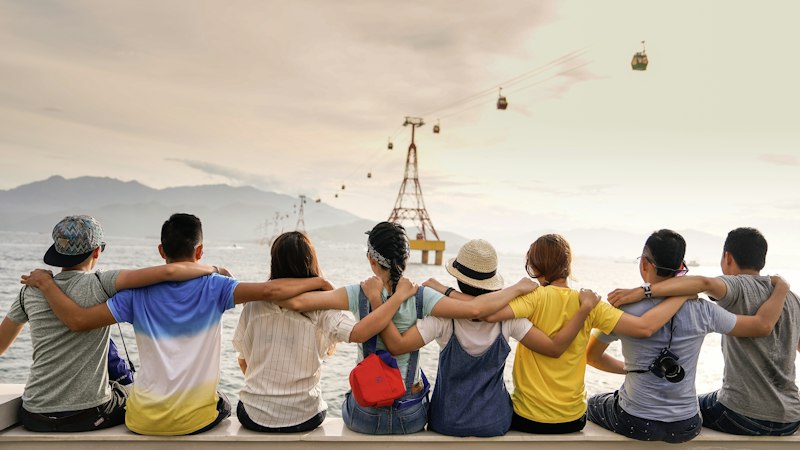
In many modern friendships, speed has become the hidden rule. We reply quickly, meet briefly, and share small updates before the next task pulls us away. Yet friendship may need a slower clock. A long walk, an unhurried meal, or even a silent afternoon together can remind us that closeness is not always built through constant conversation.

🇰🇷 현대의 많은 우정 속에서는 속도가 보이지 않는 규칙이 되었습니다. 우리는 빠르게 답하고, 짧게 만나고, 다음 일이 우리를 끌고 가기 전에 작은 소식을 나눕니다. 하지만 우정에는 더 느린 시간이 필요할지도 모릅니다. 긴 산책, 여유로운 식사, 혹은 함께 보내는 조용한 오후조차 친밀함이 항상 끊임없는 대화로 만들어지는 것은 아니라는 점을 떠올리게 합니다.

Solitude is often misunderstood as loneliness, especially in cultures that prize connection and productivity. But being alone can make friendship clearer. When we step back from noise, we notice which people leave us calmer, braver, or more honest. Distance, used gently, does not weaken a bond; it can show us why the bond matters.

🇰🇷 고독은 특히 연결과 생산성을 중시하는 문화 속에서 종종 외로움으로 오해됩니다. 하지만 혼자 있는 시간은 우정을 더 선명하게 만들어 줄 수 있습니다. 소음에서 한 걸음 물러나면, 어떤 사람들이 우리를 더 차분하고 용감하며 솔직하게 만드는지 알아차리게 됩니다. 조심스럽게 사용된 거리는 관계를 약하게 만들지 않습니다. 오히려 그 관계가 왜 중요한지 보여 줄 수 있습니다.

The habit of staying close, then, may be less dramatic than we imagine. It is a message sent without pressure, a coffee repeated every month, a memory kept alive by retelling it. In a world that asks us to move faster, friendship asks a quieter question: who helps you return to yourself?

🇰🇷 그렇다면 가까움을 유지하는 습관은 우리가 상상하는 것보다 덜 극적일 수 있습니다. 부담 없이 보내는 메시지, 매달 반복되는 커피 한 잔, 다시 이야기함으로써 살아나는 기억 같은 것들입니다. 우리에게 더 빨리 움직이라고 요구하는 세상 속에서 우정은 더 조용한 질문을 던집니다. 누가 당신을 다시 당신 자신에게 돌아오게 해 주는가?


클릭하면 전체 지문을 읽어드립니다

📝 Key Vocabulary

Word Pronunciation Part of Speech Korean English Definition
unhurried /ʌnˈhɜːrid/ adjective 서두르지 않는, 여유로운 relaxed and not done in a hurry
closeness /ˈkloʊsnəs/ noun 친밀함 a feeling of emotional connection
solitude /ˈsɑːlɪtuːd/ noun 고독, 혼자 있음 the state of being alone, often peacefully
bond /bɑːnd/ noun 유대, 관계 a strong connection between people
retell /ˌriːˈtel/ verb 다시 이야기하다 to tell a story or event again

💡 Expression Tip

"return to yourself" — 바쁜 일상이나 타인의 기대에서 벗어나, 자신다운 감정과 생각을 되찾는다는 뜻입니다. 친구, 장소, 습관 등이 마음을 안정시키고 본래의 나로 돌아오게 할 때 사용할 수 있습니다.

"A quiet evening walk helps me return to myself." "조용한 저녁 산책은 내가 다시 나 자신으로 돌아오게 해 줍니다." "Good friends do not change who I am; they help me return to myself." "좋은 친구들은 나를 바꾸지 않고, 내가 다시 나 자신으로 돌아오게 도와줍니다."

🗣️ Speaking Questions

  1. When do you feel closer to a friend: during long conversations or during quiet shared moments?
  2. What habit, place, or person helps you return to yourself?

🃏 Vocabulary Flashcards

카드를 클릭하면 한국어 뜻이 나옵니다.

✏️ Definition Match

한국어 뜻에 맞는 영어 단어를 선택하세요.